
Reliable Escalator Repair Services to Keep Your System Moving Smoothly
When your escalator suddenly grinds to a halt, you need a quick fix to get foot traffic moving again. Escalator repair services handle everything from seized chains to worn steps, using specialized diagnostics to pinpoint the issue and restore safe, smooth operation. The key benefit is minimizing downtime so your building avoids frustrating bottlenecks and keeps daily routines on track. For reliable results, simply call a service team to schedule a site inspection and get a repair plan started.
Getting Your Moving Stairs Back on Track: A Technical Overview
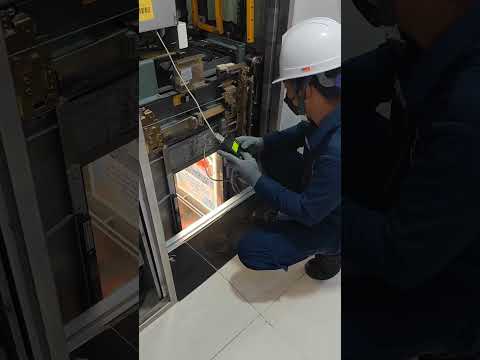
When your escalator stalls, a technical overview of restoration begins with the drive system—checking the motor, gearbox, and chain tension for faults that prevent motion. Technicians then inspect the step chain and track alignment, as misaligned rollers or worn steps commonly cause jams. The handrail drive must be synchronized with the steps, or the entire unit halts. Control system diagnostics pinpoint sensor failures or relay issues, while safety device resets often clear fault codes blocking restart. Yet a single seized bearing in the truss can mimic larger electrical problems, demanding careful isolation. Finally, lubricating all pivot points and verifying emergency brakes ensures safe, smooth operation. This targeted sequence—from power source to passenger interface—gets your moving stairs back on track efficiently.
Common Signs Your Escalator Needs Professional Attention
Unusual grinding or squealing from the step chain or drive motor indicates imminent mechanical failure, demanding immediate inspection. Erratic step leveling at entry or exit points, where steps dip or rise unevenly, directly points to track or comb plate misalignment. Frequent, unexplained emergency stops, especially under light load, often trace to faulty sensors or controller faults requiring professional diagnostics. If the handrail lags or jerks relative to step speed, the drive system’s friction or tension is compromised. Proactive escalator maintenance catches these wear indicators before they cause a shutdown.
Q: What audible noise most clearly signals a need for professional attention?
A: A persistent metallic grinding from the step chain, as it often precedes a catastrophic roller or bearing failure.
Critical Safety Sensors and Their Malfunctions
Critical safety sensors, like the step chain device and handrail speed monitor, keep your escalator running safely. When they malfunction, it often triggers a sudden stop. A dirty or misaligned safety sensor malfunction is a common fix, not a major breakdown. We check these sensors first for debris or loose connections, restoring normal operation quickly. Ignoring a sensor error is risky; a quick recalibration or replacement gets those moving stairs back on track without hassle.
Emergency Vs. Routine Service: Knowing the Difference
Understanding the difference between emergency escalator repair services and routine escalator maintenance is crucial for preventing costly downtime. An emergency involves a sudden stoppage, unusual grinding noises, or a safety hazard like a broken step; this demands an immediate, often after-hours dispatch to clear the blockage and restore safety. In contrast, routine service is a scheduled inspection to adjust tension, lubricate chains, and replace worn brushes. Choosing emergency response for a minor, scheduled task wastes money, while ignoring a catastrophic component failure by treating it as routine repair risks passenger injury and extended shutdowns. Knowing which situation requires the rapid, higher-cost intervention of an emergency call versus the planned, cost-effective approach of routine service keeps your facility both safe and operationally efficient.
When to Call for Immediate Breakdown Assistance
Call for immediate breakdown assistance when the escalator exhibits sudden, unsafe mechanical failure, such as a loud grinding noise, erratic speed, or a complete halt mid-cycle. Immediate response for unsafe escalator faults is also required if steps pull apart, the handrail stops moving independently, or the comb plate at the entry/exit becomes misaligned. Any visible spark, smoke, or burning smell mandates an emergency call, as does a situation where passengers are trapped or have fallen due to a sudden stop. Do not wait for routine service if the unit is physically compromised or poses a clear trip-and-fall hazard.
Scheduling Preventive Maintenance for Long-Term Reliability
Scheduling preventive maintenance for long-term reliability transforms escalator ownership from reactive firefighting to proactive asset management. Unlike emergency repairs that fix sudden breakdowns, this structured approach involves periodic lubrication, tension adjustments, and component inspections at manufacturer-recommended intervals, typically quarterly. The primary goal is mitigating component wear before failure, extending operational life, and reducing total cost of ownership. A critical aspect is aligning technician visits with low-traffic periods to avoid passenger disruption. This strategy relies on component wear trend analysis, where data from inspections—such as step chain elongation or roller degradation rates—predicts when replacement is truly needed, preventing both premature part swaps and catastrophic failures.
Deep Dive into Common Mechanical Failures
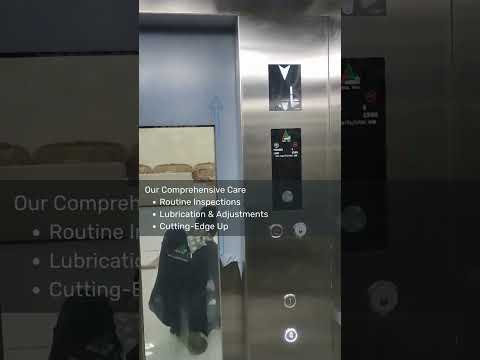
A deep dive into common mechanical failures reveals that chain elongation and step roller deterioration are primary culprits in escalator downtime, often misdiagnosed due to gradual wear patterns. Repair services must prioritize measuring track wear with a gauge, as uneven surfaces accelerate comb-plate misalignment and passenger safety incidents. Broken drive chains typically result from lubrication neglect, not sudden overload, making regular oil analysis critical for predictive maintenance. Professionals often overlook that drive motor bearing failures produce a distinct tonal frequency shift weeks before seizure, detectable only with a stethoscope or vibration analysis. Addressing these root causes reduces emergency callouts by focusing on peripheral component stress rather than isolated part replacements.
Step Chain Tension Issues and Their Fixes
Improper step chain tension is a primary source of mechanical noise and jerky rides; slack chains can skip sprockets, while over-tightening accelerates wear on bearings and the chain itself. A professional fix involves using a tension gauge to adjust the chain to manufacturer specifications, often via a threaded take-up mechanism. Correcting step chain alignment is equally critical, as misalignment creates uneven load distribution. Q: How often should step chain tension be checked? A: During every scheduled maintenance cycle, typically every 3 to 6 months, and immediately after any impact or abnormal noise report.
Handrail Drive System Wear and Replacement
Handrail drive system wear typically manifests as slipping, jerky motion, or audible squealing during operation. The friction wheels and drive belts degrade over time due to constant tension and rubber fatigue, leading to handrail lag or complete stoppage. Replacement requires precision alignment of the new drive components to restore seamless synchronization with the step chain. Proactive handrail drive belt inspection prevents sudden escalator downtime and passenger safety risks. Worn pulleys with flattened contact surfaces must also be swapped to avoid vibration and uneven handrail tracking.
- Check for handrail lag exceeding 2% of step speed, indicating worn drive wheels.
- Replace rubber friction tires showing glazing or cracks to restore grip.
- Verify belt tension after replacement to prevent premature stretching.
- Inspect bearing assemblies on drive rollers for roughness or play.
Motor and Gearbox Breakdown Diagnostics
Diagnostics begin with thermal imaging to detect excessive motor winding heat, indicating insulation breakdown or overloading. Vibration analysis identifies gearbox gear wear or bearing looseness by isolating specific frequency peaks. Audible inspection captures irregular grinding or whining, directing technicians to probe for backlash. Oil analysis reveals metal particulates, confirming gear pitting or spalling. Systematic isolation test runs determine if the fault originates from the motor rotor or gearbox shaft misalignment. This process pinpoints precise root cause isolation before proceeding with replacement or shaft realignment.
Digital Diagnostics: How Technicians Pinpoint Problems
The technician plugs a handheld diagnostic tablet directly into the escalator’s main controller, bypassing guesswork entirely. Live data streams show step chain tension, brake wear, and motor temperature in real time. He spots a recurring voltage dip in the drive unit, a subtle clue a manual check would miss. “Could a vibration sensor ever give a false positive?” he mutters, then glances at the logs—last month’s floor-level sensor spike was indeed a loose bolt, not a structural issue. By isolating that pattern, he pinpoints the exact relay causing intermittent jerks, replacing it before any passenger feels the shudder. No tear-down, no noise—just clean data telling the story.
Controller Board Error Codes and Interpretation

Technicians interpret controller board error codes by cross-referencing the specific numeric or alphanumeric fault against the manufacturer’s logic map, which isolates the failed component. For example, a “Step Chain Displacement” code prompts immediate inspection of the tension sensor and chain sprocket alignment, rather than random component swapping. This direct code-to-symptom relationship allows for targeted repairs and minimal downtime. Mastering diagnostic sequence logic is essential; misreading a stored error can lead to replacing healthy parts, wasting time and money.
Controller board error codes provide a precise fault fingerprint; correct interpretation cuts repair time by pinpointing the exact malfunctioning subsystem.
The Role of Vibration Analysis in Predicting Failure
In escalator repair services, vibration analysis plays a critical role in predicting failure by detecting abnormal oscillations in components like bearings, motors, and gearboxes before they degrade. Technicians use accelerometers to capture frequency signatures, comparing baseline data to identify imbalance, misalignment, or looseness. This non-intrusive method pinpoints degradation trends, allowing scheduled intervention. Predictive vibration monitoring prevents sudden breakdowns and escalator entrapment risks, reducing unplanned downtime.
Q: How does vibration analysis specifically predict escalator motor failure?
A: It measures rising harmonic amplitudes in the motor’s rotational frequency, indicating bearing wear or shaft cracks, giving weeks of warning for replacement planning.
Modernizing Older Units: When Repair Isn’t Enough
For escalator repair services, modernizing older units becomes essential when frequent and costly component replacements no longer solve underlying reliability issues. Rather than repeatedly swapping outdated motors or controllers, a modernization upgrade replaces the entire drive system, often with energy-efficient variable frequency drives that reduce wear. When repair isn’t enough, adding new safety sensors and electronic brakes can address compliance gaps that individual part fixes cannot. Retrofitting the step chain or handrail drive eliminates persistent slippage that temporary repairs only mask. This approach extends the unit’s operational life by 10–15 years while lowering long-term maintenance costs, making it a practical choice once repair cycles become too short to justify piecemeal fixes.
Retrofitting with Energy-Efficient Drives
When repairing older units is no longer viable, retrofitting with energy-efficient drives directly reduces power consumption by replacing constant-speed motors with variable frequency drives. This retrofit allows the escalator to adjust motor speed based on actual passenger load, cutting electricity use by up to 60% on lightly used units. The installation integrates seamlessly with existing controllers, often requiring only rewiring of the motor section. A key user benefit is smoother acceleration and deceleration, which lessens mechanical strain on steps and chains. This targeted upgrade extends component life without replacing the entire truss, offering a practical path to lower operational costs through direct drive modernization.
Upgrading Step and Comb Plate Safety Standards
When modernizing older units, upgrading step and comb plate safety standards involves replacing worn step chains and defective comb plate inserts that compromise passenger safety. Technicians must verify step-to-riser gap alignment and replace any step treads showing deformation, as these create pinch points. The procedure includes adjusting the comb plate’s vertical position to ensure it meshes seamlessly with the step cleats. Step and comb plate safety standards also mandate installing newer anti-slip coatings on step surfaces. A clear sequence applies:
- Inspect all step chain connections for elongation and replace if necessary.
- Measure step-to-comb clearance and adjust to manufacturer tolerances.
- Replace worn comb segments and verify they firmly grasp step cleats at the entry/exit zones.
This keeps the unit compliant with current operational safety thresholds.
Navigating Compliance and Code Requirements
Navigating compliance and code requirements in escalator repair services demands precise adherence to the ASME A17.1 safety code, as deviations directly risk operational shutdown. Each repair must align with step tread clearance, balustrade lighting, and braking force specs, requiring constant cross-referencing of local amendments. Smart contractors pre-map code checkpoints before mobilizing, reducing costly rework from overlooked retrofit mandates. Documentation is your liability shield—every fastener torque and gap measurement must be logged against the code’s specific tables. Third-party certification after each major repair isn’t optional; it’s the only way to prove compliance for insurers and inspectors. Trust nothing to memory—keep current code excerpts physically accessible at the machine room door.
ASME A17.1: Key Inspection Points for Technicians
For escalator repair services, ASME A17.1 compliance hinges on technician-level verification of step-to-comb clearance and brake stop distances, which must fall within the code’s specified millimeters to prevent passenger injury. Technicians must also inspect skirting brush integrity and the automatic brake release mechanism during routine maintenance. A common oversight involves verifying the retard switch’s response time under load conditions, not just in idle mode. Each gap, from handrail tension to missing tread indicators, directly ties to code section reference, demanding precise measurement logging before sign-off.
Documenting Repairs for Insurance and Regulatory Audits
Thoroughly documenting repairs for insurance and regulatory audits is non-negotiable for any escalator repair service. Every work order must include time-stamped photographs, detailed descriptions of replaced EKCNE components, and serial numbers for all parts. Certify that code-specific steps, such as brake gap adjustments or step leveling checks, are recorded in logs that auditors will examine. This meticulous paper trail directly supports regulatory compliance and provides irrefutable proof for insurers in the event of a claim or inspection, protecting your operational standing without question.
Cost Factors Behind a Skilled Technician’s Visit
The cost behind a skilled technician’s visit for escalator repair hinges on the diagnostic complexity and specialized tooling required. Unlike simple fixes, escalator faults often demand dual-technician teams for safety, doubling labor charges. Travel time and on-site troubleshooting add fees, especially if obscure proprietary controller faults require remote manufacturer support, raising hourly rates significantly. The technician’s inventory of high-wear replacement parts, like step chains or guide rollers, further increases the invoice if stocked on the truck versus ordered, which adds a trip charge. Ultimately, the balance between emergency overtime premiums and standard service windows dictates your final bill, reflecting the intense precision needed to restore safe passenger flow.
Pricing for Emergency Call-Outs Versus Planned Work
Emergency call-outs for escalator repairs carry a premium compared to planned work, often due to immediate dispatch and overtime labor. The cost difference between emergency and planned escalator service can be two to three times higher, reflecting the urgency and after-hours response. In contrast, planned maintenance visits let you schedule around lower daytime rates and avoid rush fees. Why is an emergency call-out more expensive than a scheduled visit? Because it prioritizes your breakdown over other jobs, requiring a technician to drop everything and arrive fast, which justifies the higher price for immediate resolution.
Replacement Parts: Sourcing OEM Versus Aftermarket
When an escalator repair requires components, the choice between OEM and aftermarket parts directly affects the technician’s total time and cost. OEM parts guarantee exact fit and original specifications, but often require longer lead times and higher upfront pricing. Aftermarket alternatives can reduce part cost, yet may necessitate additional technician labor for modifications or adjustments to achieve proper alignment. Warranties for aftermarket parts also vary, potentially creating further service visits if a component fails prematurely. For critical wear items like step chains or handrails, sourcing OEM versus aftermarket is a decision that trades immediate savings against long-term reliability and call-back frequency.
Selecting a Reliable Service Provider
When selecting a reliable escalator repair service, prioritize providers who offer a documented maintenance history for your specific unit model. A trustworthy technician will conduct a thorough diagnostic before quoting, avoiding generic flat-rate repairs. Always request references from commercial properties with high-traffic escalators similar to yours. Evaluate their response time guarantees, as escalator downtime directly impacts foot traffic and safety. The best service providers stock parts for your unit’s make and year, reducing delays. Avoid companies that push full replacement without offering component-level repair options, as this often signals inexperience with complex mechanisms.
Questions to Ask Before Hiring a Maintenance Contractor
Before hiring a maintenance contractor for your escalator, ask about their specific experience with your escalator model and brand. Inquire directly about their average response time for emergency breakdowns and their parts procurement process. A critical question is: What is your preventative maintenance checklist frequency and how do you verify tasks are completed? Q: Can you provide references from commercial properties with similar traffic loads? A: A reputable contractor should readily share contact details of facility managers who can attest to their reliability and ride quality outcomes. Finally, clarify if their quoted fee covers all labor, lubrication, and minor adjustments, or if major component replacements incur extra charges.
Red Flags: Incomplete Inspections and Hidden Fees

When vetting escalator repair services, incomplete inspections and hidden fees are paramount red flags. A thorough inspection must assess the drive chain, step bands, and brake system; any technician who skips core components is likely masking deeper issues for later billing. Hidden fees often emerge as surprise charges for emergency callouts, diagnostic labor, or required parts—costs a transparent provider itemizes upfront. Precise estimates from a comprehensive inspection are your only defense against post-service price inflation.
Q: How can I spot hidden fees in an escalator repair quote? A: Compare the quoted work scope to a written inspection checklist; any repair line-item not tied to a documented finding is a fee red flag.
Minimizing Downtime During Busy Hours
Minimizing downtime during busy hours demands a pre-planned, high-speed approach from escalator repair services. Technicians should arrive with all likely replacement parts pre-staged, eliminating supply runs. A temporary single-lane operation often keeps traffic moving while the other escalator is repaired simultaneously. Q: How do you cut repair time during peak flow? A: By pre-inspecting the fault via remote diagnostics, so the team begins actual repair work immediately upon arrival, not troubleshooting. This strategy slashes service window from hours to minutes, directly protecting customer experience and revenue flow.
Night and Weekend Repair Scheduling Strategies
Strategic night and weekend scheduling shifts major repair work to low-traffic periods, directly reducing revenue loss from daytime downtime. Technicians perform complex component replacements or structural repairs after hours, ensuring escalators are operational by morning peak. Weekend windows allow for multi-day tasks like rail overhauls without disrupting weekday commuters. This approach requires precise logistics coordination for parts delivery and noise mitigation in residential zones, but it preserves pedestrian flow during critical business hours. Scheduling must also account for maintenance crew shift premiums versus the cost of extended daytime outages.
Temporary Barricading and Signage Best Practices
During escalator repairs, deploy high-contrast barricades immediately around the entire work perimeter, using interlocking panels that cannot be easily displaced by foot traffic. Strategic sign placement at decision points is critical: direct users toward the nearest functional escalator or alternative stairs before they encounter the closed unit. A clear sequence ensures safety:
- Place “Escalator Closed” signs at both landings, visible from three meters.
- Position directional arrows on floor stands at key corridor junctions.
- Install a temporary waist-high barrier 1.5 meters from the machine, leaving a clear path for maintenance access.
Update signage immediately if alternate routes change during the repair shift.
Preventing Future Trips and Stops
Preventing future trips and stops starts with proactive component swaps during escalator repair services, not just fixing the immediate fault. A worn step chain or a misaligned comb plate that triggered today’s halt will cause repeated nuisance stops if not replaced.
Repair crews should always inspect drive belts and safety switches, as a single loose sensor can shut the entire unit down again within weeks.
Lubricating track rollers and adjusting step-level gaps during the visit dramatically reduces sudden jams. Insist that your technician runs a full load test after repairs, mimicking heavy traffic to catch weak motor parts before they cause another frustrating stoppage.
Lubrication Schedules That Extend Component Life
Adhering to precision lubrication schedules directly prevents premature wear on chains, bearings, and gearboxes, which cause emergency stops. For escalator repair services, this means applying the exact grade of oil or grease at manufacturer-specified intervals, not just when noise appears. A typical sequence includes:
- Monthly inspection and metered application to step chain bushings.
- Quarterly greasing of main drive bearings and handrail drive units.
- Annual oil change for the main gearbox with viscosity analysis.
Consistent adherence eliminates metal fatigue from friction and heat, extending component life by minimizing unscheduled downtime and trip-inducing failures.
Cleaning Debris from Track Systems and Sprockets
Accumulated debris within escalator track systems and sprockets directly causes operational resistance, leading to unexpected trips. Professional repair services prioritize track and sprocket cleaning as a precise countermeasure. Removing compacted grit from guide rails restores smooth step movement, while extracting tangled fibers from sprocket teeth prevents chain climb and safety stop activations. This targeted cleaning eliminates the friction points that trigger emergency brakes, ensuring power transmission remains uninterrupted. Service technicians meticulously flush contaminants from root areas, as residual buildup near bearing housings accelerates uneven wear. A clean track-sprocket interface sustains proper step-tooth alignment, reducing false sensor triggers that halt the unit.